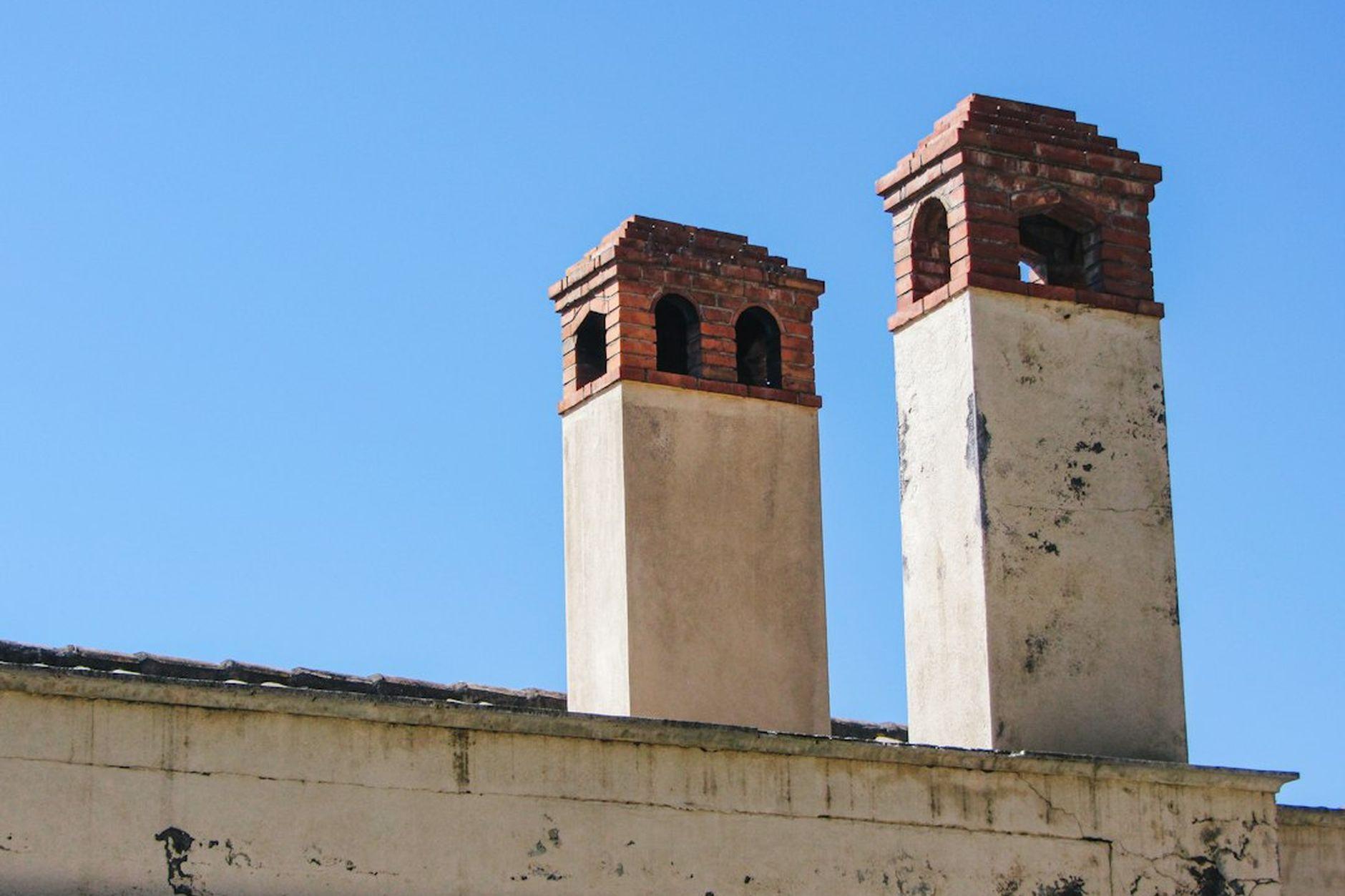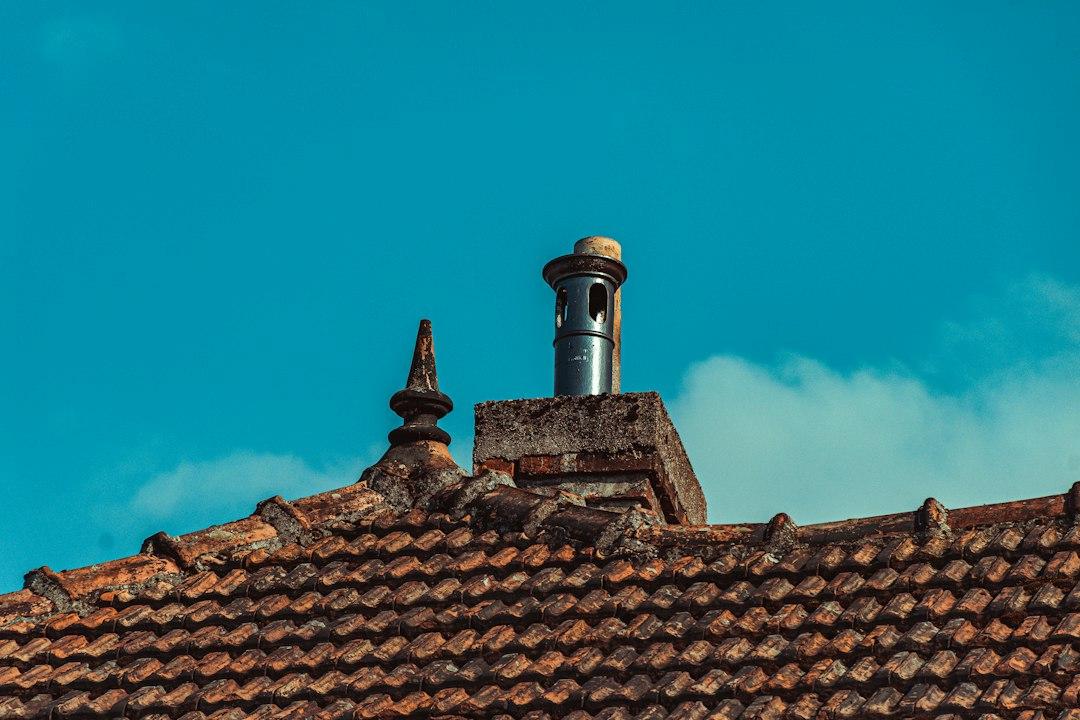
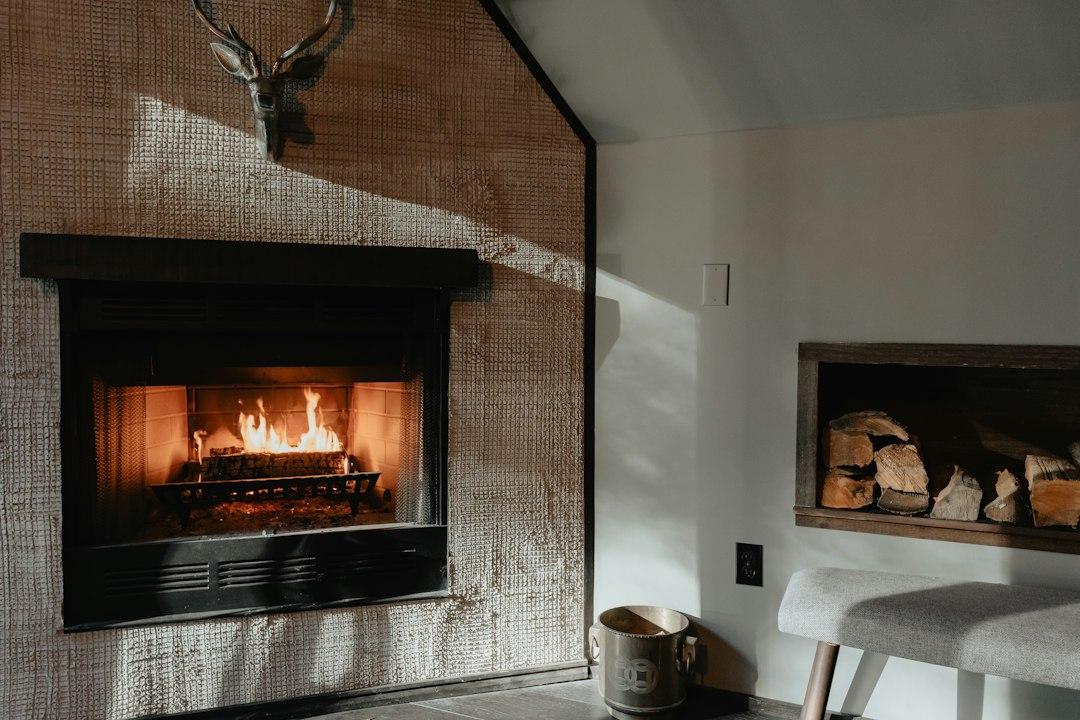
A condo sale puts a question on the table that a house sale does not: who owns the chimney? In most condo and townhouse buildings the answer is split. The unit owner owns the firebox and what sits inside the unit. The association owns the flue where it runs through shared walls, the chase on the roof and the cap. Hodge Chimney Services inspects condo fireplaces for sales across Bell, Los Angeles, Norwalk and Rosemead, and the report we write follows that split.
Who usually owns what
The CC&Rs for the building decide this, and they differ. A common layout looks like this:
| Part | Usually owned by |
|---|---|
| Firebox, hearth, damper, doors, gas logs | Unit owner |
| Flue liner inside the unit's own walls | Varies, check the CC&Rs |
| Flue in shared walls and attic | Association |
| Chase, crown, cap and roof flashing | Association |
Read the CC&Rs before the inspection, or ask the HOA manager. It changes who pays for a finding.
The Level 2 at a unit sale
Selling the unit puts it on the NFPA 211 list for a Level 2. That counts for more in a condo building than in a detached house, because the flue may sit beside another unit's flue in the same chase. A Level 2 is $380. The camera goes from firebox to cap, and we look over the roof and attic next to the stack wherever access allows.
On a condo we also record:
- which flue on the roof belongs to the unit being sold;
- whether the chase holds other units' flues, and their condition where visible;
- whether the fireplace is wood-burning, gas-only, or a wood fireplace with gas logs;
- any HOA rule posted at the building, such as a gas-only notice.
Access on a shared building
The roof of a condo building is association property. Before the visit we need permission from the HOA or its manager to go up, and sometimes a key to the roof hatch. The seller's agent usually arranges this. If roof access is refused, the report says so and the parts above the roofline are marked not inspected. The buyer then knows exactly what the report does and does not cover.
What the report says, and to whom
The report has one section for the unit's own parts and one for the shared parts, with photos in each. Copies go to whoever the client names: the buyer, the seller, both agents, and the HOA manager if the client wants the board to see the shared findings. That last copy saves a lot of back and forth, because the board reads the finding in the same words the buyer does.
What decides the next step
Who fixes a finding depends on where it sits. A cracked firebox panel or a seized damper inside the unit is for buyer and seller to settle in escrow. A cracked crown or a missing cap on the roof goes to the association. Send the unit address, the HOA manager's name, whether the fireplace is gas or wood, and your escrow dates, and we will book the Level 2 and arrange roof access with the people who control it. Send the unit details to book the condo inspection.
Typical findings and their prices
Some findings have published prices:
- Chimney cap, installed: quoted after we measure
- Chimney leak repair: $545 to $3,250
- Chimney sweep: from $410
Damper repair, crown repair, liner work and chase covers are quoted in writing after the inspection. On a shared chase the association usually orders those, and we quote them to the board separately from anything the unit owner orders.
For the unit owner who is selling
Ask the HOA for any past chimney reports for the building. If the association had the chase and caps checked recently, the buyer's questions about the shared parts may already be answered, and the Level 2 can focus on the unit. If there are no records, a pre-listing Level 2 puts the findings in front of you before a buyer's inspector finds them, and you choose how to handle each one.
For the buyer
Ask for the CC&Rs early and read the maintenance section. Ask whether the building has a gas-only rule for fireplaces. And make sure the report shows the roof, because a unit fireplace is only as sound as the flue above it. A townhouse with fireplaces on two floors has two flues; check that the report covers both.
Selling agents can book the visit for the seller, and the access, the HOA contact and the list of report recipients are set in one request. The report comes to the agent along with everyone else on that list.
Older buildings
Many condo buildings around Bell and the southeast of the county were built as apartments and converted later. Their chimneys are often original brick with clay tile liners, the kind that cracked in the 1987 Whittier Narrows quake and was never looked at again. On these, the camera is the only way to see the tile, and a cracked one is the most common finding we write up.
Where to read more
The full sale inspection is on the home sale inspection page, and the camera visit is on the Level 2 inspection page. Boards with several buildings can read the property manager and HOA page, and the fixes that follow a failed report are on the up to code repairs page.
Reach Hodge Chimney Services on the contact page with the unit address and escrow dates, or use the quote form below.
Several Fireplaces on Your Property?
Hodge Chimney Services counts the units first, quotes each chimney, then covers them all in one visit with a page for every opening. Crews set out from Bell to buildings across Los Angeles, Norwalk, Rosemead and nearby cities.